P/N RD0015H1600JBC: Cockpit Light Dimmer Component
P/N RD0015H1600JBC: Cockpit Light Dimmer Component
Blog Article
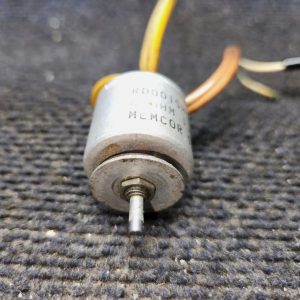
The Cessna 172F Rheostat (No Knob)
Accurate use of Cessna 172F Rheostat, Cessna 172F Lighting Rheostat, and Cessna 172F Panel Light Rheostat terminology improves search relevance without overstating fitment.
The Cessna Cockpit Lighting Control can help pilots adjust compatible illumination levels, while the individual component should still be tested before installation.
The Aviation Lighting Control Rheostat can support Aircraft Instrument Lighting Control, but similar-looking components may use different electrical characteristics.
A Cessna 172F Dimmer Switch may be described as part of the Cessna Panel Lighting Control system, although the exact internal operation should be confirmed.
Identifying the Cessna 172F Rheostat
A component should not be accepted as RD0015H1600JBC solely because it resembles the original panel-light control.
Informal cross-references should not replace verified specifications or appropriate aircraft electrical information.
Rheostat Shaft and Knob Compatibility
The original knob can provide a useful dimensional and style reference when it remains available.
The knob should allow smooth adjustment through the required range without slipping.
Purpose of the Panel Light Rheostat
A rheostat regulates current or voltage within a compatible lighting circuit to vary the brightness of connected lamps or panel illumination components.
An intermittent control may cause flickering, dead spots, sudden brightness changes, heat, or inconsistent illumination.
Aircraft Serial and Wiring Applicability
A rheostat associated with a Cessna 172F should not be advertised as universally compatible with every Cessna 172 variant.
The installer should verify whether the circuit uses two terminals, three terminals, an integral switch, or another control arrangement.
Aircraft Lighting Control Inspection
The shaft should rotate smoothly through its intended travel without excessive looseness, binding, roughness, or unexpected movement.
Evidence of pliers, forced knob removal, hammering, or improvised modification should be disclosed.
Aircraft Rheostat Wiring Inspection
Heat discoloration can indicate excessive resistance, overloading, loose connections, or another unresolved circuit problem.
Connections should remain secure without placing excessive side load on the rheostat terminals.
Aircraft Electrical Bench-Test Considerations
Test equipment, methods, conditions, and results should be documented clearly.
Bench testing should use controlled power, suitable current limitation, correct polarity where relevant, and a circuit appropriate to the component’s verified ratings.
Troubleshooting a Cessna Cockpit Dimmer
These symptoms may result from internal rheostat wear, damaged terminals, loose wiring, failed grounds, defective lamps, overloaded circuits, or circuit-protection problems.
A dimming range that differs from the original may indicate an incorrect electrical value or altered lighting load.
Original-Style Instrument Panel Controls
Restorers may seek the correct housing, shaft, mounting style, knob design, panel location, and control labeling.
A refurbished panel should avoid hidden wiring modifications, unsupported loads, or mismatched electrical parts.
Managing Electrical Parts Inventory
The entire lighting circuit should be examined before all required components are ordered.
Heat, corrosion, moisture, vibration, and previous repairs can affect components differently.
Evaluating Electrical Component Repair Value
A documented repair approach supports a more consistent result.
Unauthorized parts substitution or rewinding can change resistance and power-handling capability.
Commercial Value of P/N RD0015H1600JBC
The commercial value of P/N RD0015H1600JBC depends on verified identity, electrical specifications, physical condition, test status, shaft integrity, terminal condition, traceability, and included hardware.
The seller should disclose the missing knob, damaged threads, bent shaft, corrosion, burned terminals, heat discoloration, intermittent operation, repairs, and storage conditions.
Inspecting the Rheostat Before Purchase
A pre-purchase review should confirm P/N RD0015H1600JBC, manufacturer markings, donor-aircraft details, electrical ratings, resistance range, shaft dimensions, terminal layout, physical condition, test status, included hardware, and documentation.
- Resolve identity, electrical compatibility, fitment, and package-completeness questions before payment.
- Inspect the component for corrosion, heat discoloration, burned terminals, cracked insulation, bent shaft, damaged threads, loose housing, rough movement, contamination, and previous repairs.
- Require packaging that protects the shaft, mounting threads, terminals, identification markings, attached wiring, and housing from bending, impact, moisture, or abrasion.
Shipping and Storing the Aircraft Rheostat
The rheostat should be packaged so the shaft, terminals, mounting threads, housing, and identification markings remain protected from impact and bending.
The component should not be stored by hanging it from attached wires or unsupported terminals.
Completing a Rheostat Replacement
The electrical system should be secured appropriately before the original control is disconnected.
The shaft should rotate freely after mounting and should remain properly aligned with the replacement knob and panel opening.
P/N RD0015H1600JBC.
Preventive Cessna Electrical Maintenance
Long-term maintenance includes checking control here movement, knob security, mounting tightness, terminals, wiring, heat discoloration, corrosion, lighting response, and panel condition.
Preventive maintenance protects both the rheostat and surrounding aircraft electrical systems.
Final Thoughts on the Cessna Panel Light Rheostat
The Cessna 172F Rheostat (No Knob)
The strongest purchasing decision begins with confirming the complete part number, manufacturer, aircraft applicability, circuit function, resistance range, voltage, power rating, terminal arrangement, shaft dimensions, knob requirements, test status, and documentation.
Whether the part is purchased for scheduled maintenance, panel restoration, troubleshooting, vintage-aircraft preservation, replacement, or spare inventory, transparent information and professional oversight provide the strongest foundation.
With prompt attention to heat, corrosion, intermittent contact, damaged terminals, loose mounting, wiring condition, and knob security, the installation can preserve its functionality.
Report this page